Journal
Physiotherapy vs Pilates: When You Need Which for Recovery
By Veda Pilates · 20 October 2026 · 8 min read
Deciding between physiotherapy and Pilates for pain or recovery? Learn when to choose each for injury rehabilitation, pain management, and long-term movement health.
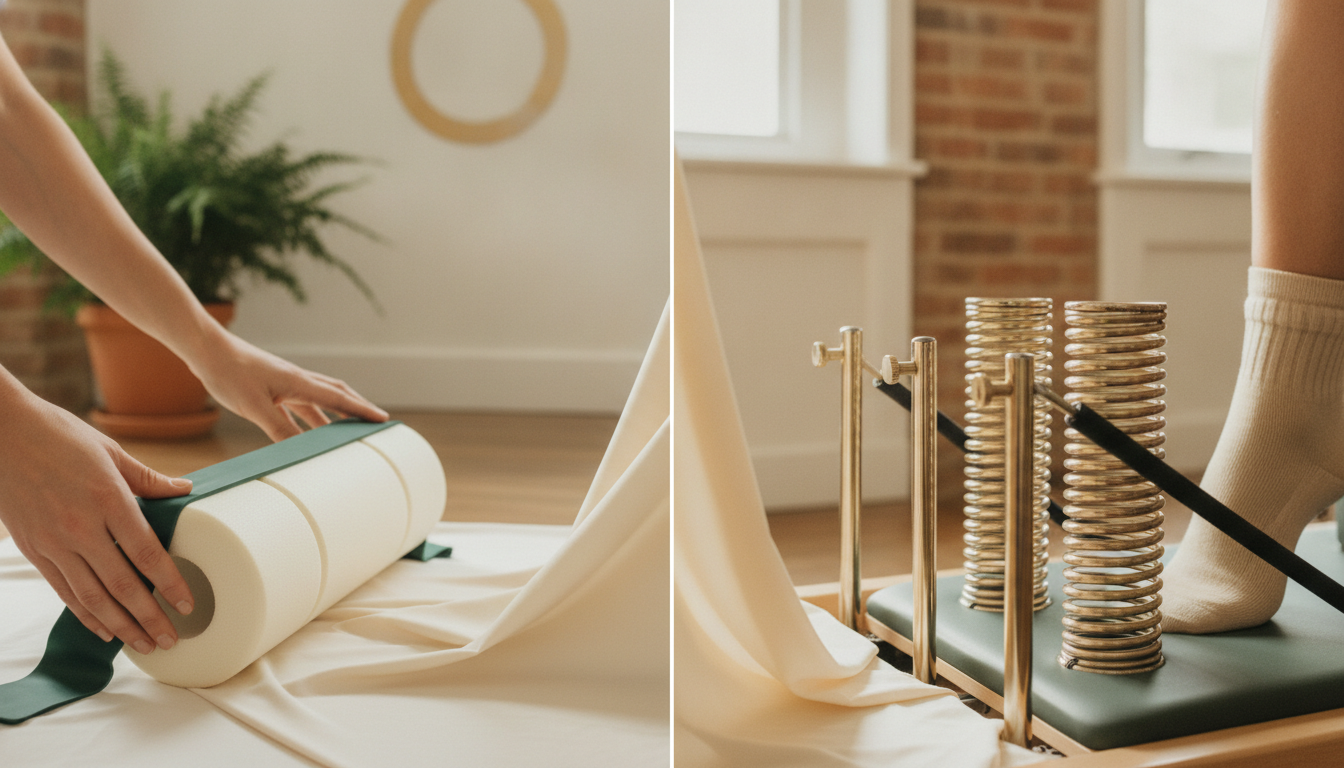
Deciding between physiotherapy and Pilates for pain, injury, or general well-being involves understanding their distinct purposes and approaches. While physiotherapy focuses on diagnosing and treating acute injuries, pain, and movement disorders to restore function, Pilates is a movement method that builds core strength, improves flexibility, and enhances body awareness, serving as an excellent complement for long-term health, injury prevention, and post-rehabilitation conditioning.
Understanding Physiotherapy
Physiotherapy is a healthcare profession dedicated to assessing, diagnosing, and treating physical conditions that affect movement and function. A physiotherapist typically works with individuals experiencing acute injuries, chronic pain, post-surgical recovery, or conditions impacting their mobility. Their approach is often clinical and diagnostic, involving a thorough initial assessment to pinpoint the root cause of the issue and develop a personalized treatment plan.
Key aspects of physiotherapy include:
- Diagnosis and Assessment: Identifying the root cause of pain or movement limitations through thorough evaluation, including physical examination and movement analysis.
- Pain Management: Employing techniques like manual therapy (massage, mobilization), electrotherapy, dry needling, or therapeutic exercises to reduce pain and inflammation.
- Rehabilitation: Prescribing specific, progressive exercises to restore strength, range of motion, and function following injury or surgery, targeting affected areas.
- Education: Guiding patients on proper body mechanics, ergonomics, and self-management strategies to prevent recurrence and promote self-care.
The goal of physiotherapy is to help individuals recover from injury, manage pain, and return to their optimal physical state as safely and efficiently as possible, often addressing conditions such as sprains, strains, fractures, nerve impingements, and post-operative weakness.
Understanding Pilates
Pilates is a systematic method of exercise developed by Joseph Pilates, focusing on strengthening the core muscles, improving flexibility, balance, and coordination, and enhancing body awareness. It emphasizes precise, controlled movements and breathwork, guided by principles such as centering, concentration, control, precision, breath, and flow.
At Veda Pilates, our boutique studio in Raj Nagar Extension, Ghaziabad, offers various Pilates formats, including Reformer Pilates and Mat Pilates, in small group settings and private sessions. These 50-minute classes are designed to cultivate strength from the inside out, fostering a deeper connection between mind and body.
Key aspects of Pilates include:
- Core Strength: Developing strong abdominal, back, and pelvic floor muscles for a stable foundation, crucial for supporting the spine and overall movement.
- Flexibility and Mobility: Increasing range of motion in joints and muscles, improving overall body suppleness and reducing stiffness.
- Posture Correction: Aligning the spine and improving overall body posture, counteracting imbalances often caused by sedentary lifestyles or repetitive movements.
- Body Awareness: Enhancing proprioception (the body's sense of its own position) and control over movement, leading to more efficient and safer physical activity.
- Injury Prevention: Building a resilient body less prone to injury through balanced strength, flexibility, and improved movement patterns.
Pilates is often chosen for general fitness, athletic conditioning, posture improvement, and as a powerful tool for maintaining physical health and preventing injuries in the long term. Its adaptable nature makes it suitable for a wide range of individuals, from athletes to those seeking gentle, effective movement.
Key Differences: Physiotherapy vs. Pilates
While both disciplines aim to improve physical well-being, their primary focus, methods, and typical application differ:
| Feature | Physiotherapy | Pilates |
|---|---|---|
| Primary Goal | Diagnose & treat acute injury/pain, restore function | Build core strength, flexibility, posture, body awareness |
| Approach | Clinical, diagnostic, rehabilitative | Holistic, movement-based, conditioning |
| Focus | Specific injury/pain, targeted intervention | Whole-body strength, control, balanced movement |
| Techniques | Manual therapy, modalities, specific exercises | Controlled movements, breathwork, apparatus (Reformer) |
| Typical User | Individuals with acute injury, post-op, severe pain | Individuals seeking fitness, prevention, post-rehab, posture improvement |
When to Choose Physiotherapy
You should typically seek physiotherapy first if you are experiencing:
- Acute Pain: Sudden onset of severe pain, such as a sharp back spasm, new joint pain, or pain after a fall or accident.
- Recent Injury: Sprains, strains, fractures, dislocations, or other trauma where a clear diagnosis and immediate intervention are required.
- Post-Surgical Recovery: Rehabilitation after an operation to regain strength, mobility, and function, often following a prescribed medical protocol.
- Diagnosed Conditions: Specific medical conditions impacting movement, like sciatica, a slip disc, frozen shoulder, or neurological conditions, where a professional diagnosis and tailored treatment plan are crucial.
- Significant Movement Limitations: Inability to perform daily activities due to pain, stiffness, or weakness, preventing basic functional tasks.
A physiotherapist will assess your condition, provide a diagnosis, and create a targeted treatment plan to alleviate pain and restore initial function. They can also advise on when it is appropriate and safe to introduce complementary activities like Pilates into your recovery journey.
When to Choose Pilates
Pilates becomes particularly beneficial in several scenarios, often following or in conjunction with physiotherapy:
- Chronic Pain Management: Once acute pain has subsided and the underlying cause is managed, Pilates can strengthen supporting muscles, improve joint stability, and enhance movement patterns to reduce chronic discomfort. This is often seen for persistent lower back pain or cervical and neck pain.
- Injury Prevention: Building a strong, flexible, and balanced body through consistent Pilates practice can significantly reduce the risk of future injuries by correcting muscular imbalances and improving body mechanics.
- Posture Correction: Addressing postural imbalances often resulting from sedentary lifestyles, desk jobs, or habitual movement patterns, leading to better alignment and reduced strain.
- Post-Rehabilitation: Bridging the gap between formal physiotherapy and full return to daily activities or sports. Pilates helps solidify gains made in therapy, builds resilience, and ensures long-term functional movement. It helps re-educate the body to move efficiently and safely.
- General Fitness and Well-being: For those seeking to improve overall strength, flexibility, body awareness, mental focus, and reduce stress.
- Prenatal & Postnatal: Specialized Pilates can safely support women during and after pregnancy, addressing core stability, pelvic floor health, and preparing the body for the demands of motherhood.
The Synergistic Approach: Physiotherapy and Pilates Together
It is important to recognize that physiotherapy and Pilates are not mutually exclusive; they often complement each other effectively, forming a continuum of care. A common and highly effective path involves starting with physiotherapy to address the acute issue, reduce pain, and regain basic function. Once stability is established and movement is safer, transitioning to Pilates can help solidify these gains, build lasting strength, and prevent recurrence by reinforcing healthy movement patterns.
For example, someone recovering from a slip disc might first undergo physiotherapy to manage inflammation and pain, and restore initial spinal mobility. Once the acute phase passes and they have medical clearance, they might integrate Pilates to strengthen their deep core and back muscles, improve spinal articulation, and learn safer movement patterns to protect their spine long-term, thereby preventing future episodes. Similarly, Pilates for sciatica relief can be highly effective after initial medical assessment, helping to decompress the nerve and strengthen surrounding muscles. Another instance could be shoulder rehabilitation; after a physiotherapist restores initial range of motion and strength, Pilates can build comprehensive shoulder girdle stability and integrate it into whole-body movement.
This combined approach ensures that not only is the immediate problem addressed, but the body is also conditioned to prevent future issues, fostering a more resilient and functional state. Pilates empowers individuals to take an active role in their long-term movement health, building confidence and capability beyond the rehabilitation phase.
At Veda Pilates in Ghaziabad, we support individuals in their journey towards better movement and health, whether it's for general fitness, posture improvement, or as a continuation of their rehabilitation journey. Our boutique studio offers Reformer Pilates, Mat Pilates, Aerial Yoga, Mat Yoga, and specialized prenatal/postnatal sessions, all designed to help you move with greater ease, strength, and awareness. Our small group classes ensure personalized attention, making the transition from rehabilitation to sustained wellness smoother and more effective.
To explore how Pilates can support your health and movement goals, consider a trial class. Learn more about our programs and book your introductory session starting at ₹999 by visiting our Programs page or Contact us directly.