Journal
Pilates for Cervical & Neck Pain: A Guide for Relief
By Veda Pilates · 6 October 2026 · 12 min read
Discover how Pilates can help manage cervical and neck pain by strengthening core muscles, improving posture, and enhancing mobility. Learn safe practices for lasting relief.
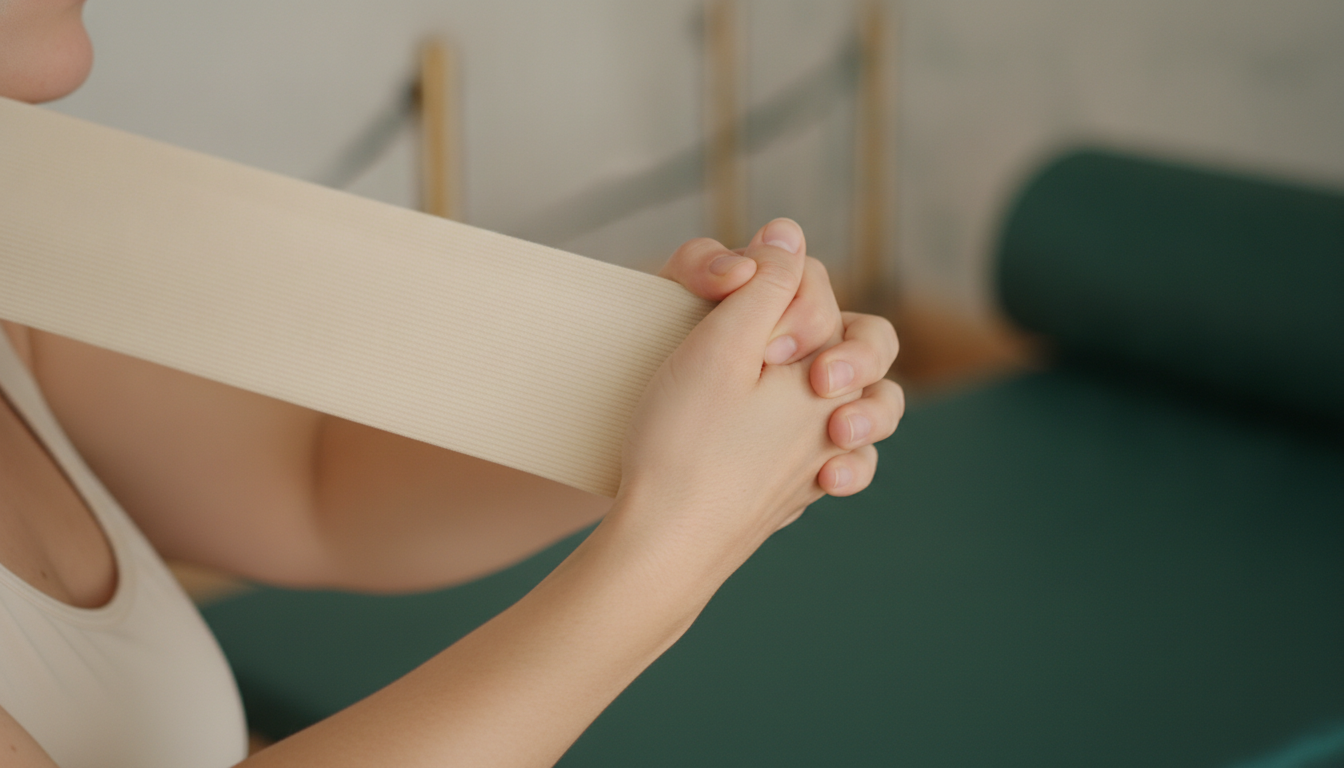
For many professionals in Ghaziabad, persistent cervical and neck pain has become a common challenge, often stemming from prolonged desk work, poor posture, or daily stress. Pilates offers a structured approach to address this discomfort by focusing on core strength, spinal alignment, and improved body awareness. Through precise, controlled movements, Pilates can help alleviate existing pain and build resilience against future episodes.
Understanding Neck Pain in Professionals
The demands of a professional life in Ghaziabad, frequently involving prolonged periods at a desk or in front of digital screens, often contribute to a common set of musculoskeletal challenges. Among these, cervical and neck pain stands out, impacting daily comfort and productivity. This discomfort typically arises from a combination of factors that disrupt the natural alignment and function of the cervical spine.
- Forward Head Posture: This occurs when the head is habitually positioned in front of the body's vertical midline. For every inch the head moves forward, the weight on the cervical spine can significantly increase, placing immense strain on the muscles, ligaments, and discs of the neck and upper back. This constant strain can lead to chronic muscle fatigue and pain.
- Rounded Shoulders (Upper Crossed Syndrome): Often accompanying forward head posture, rounded shoulders are characterized by tightness in the chest muscles (pectorals) and weakness in the upper back muscles (rhomboids, lower trapezius). This imbalance pulls the shoulders forward and inward, further exacerbating the forward head position and restricting the natural movement of the thoracic spine, which in turn impacts the neck.
- Muscle Imbalances: Beyond the shoulders, general muscle imbalances in the core and back can contribute. A weak deep core means the superficial muscles, including those in the neck, have to work harder to stabilize the spine. Similarly, tight hip flexors from prolonged sitting can affect pelvic tilt and spinal alignment all the way up to the neck.
- Stress and Tension: The physiological response to stress often includes involuntary muscle contraction, particularly in the upper trapezius and levator scapulae muscles around the neck and shoulders. Over time, this chronic tension can lead to stiffness, reduced blood flow, and persistent pain.
These interconnected factors collectively lead to a spectrum of symptoms, ranging from nagging stiffness and a limited range of motion to tension headaches, radiating pain into the shoulders and arms, and general fatigue. Left unaddressed, these issues can significantly diminish quality of life and productivity. A targeted, informed approach that addresses these root causes through movement is crucial for achieving lasting relief and preventing recurrence.
How Pilates Supports Cervical and Neck Health
Pilates is founded on principles that directly counteract the common causes of neck pain. Its focus on core engagement, precise movements, and breath work creates a comprehensive system for spinal health.
- Core Strengthening: The 'powerhouse' – a term Joseph Pilates used to describe the deep core muscles, including the transversus abdominis, pelvic floor, and multifidus – is central to all Pilates movements. These muscles act as a natural corset, stabilizing the lumbar spine and pelvis. When the core is strong and engaged, it creates a stable base from which the limbs can move with greater ease and control. Crucially for neck health, a well-supported lumbar and thoracic spine reduces the compensatory strain on the delicate cervical muscles. Without adequate core support, the neck and shoulders often overwork to maintain posture, leading to fatigue and pain. Pilates systematically strengthens these deep core muscles, enabling the entire spinal column, including the neck, to function more efficiently and with less stress.
- Improved Posture and Alignment: Pilates places a strong emphasis on achieving and maintaining optimal spinal alignment. Through a series of controlled movements and consistent feedback, participants learn to identify their neutral spine, where the natural curves are supported and balanced. This awareness extends to the relationship between the head, neck, and shoulders. By actively engaging the deep postural muscles, Pilates helps to counteract the habitual slouching, forward head posture, and rounded shoulders that contribute to neck pain. It gently re-educates the body to hold itself in a more aligned position, not just during class, but throughout daily activities, thereby alleviating the chronic strain that often builds in the neck and upper back.
- Increased Flexibility and Mobility: Stiffness and limited range of motion are common complaints for those with neck pain. Pilates incorporates controlled, articulate movements that gently guide the spine and joints through their full, healthy range of motion. This can help to release myofascial restrictions, improve joint lubrication, and lengthen tight muscles in the neck, shoulders, and upper back. Exercises focus on gentle spinal articulation (flexion, extension, lateral flexion, rotation) and scapular stabilization, which collectively enhance the mobility of the cervical and thoracic spine. This improved flexibility reduces muscle tightness and allows for freer, less painful movement of the head and neck.
- Breath Work: Integral to every Pilates exercise is the focus on deep, controlled, and diaphragmatic breathing. This conscious breath work serves multiple purposes. Physiologically, it helps to engage the deep core muscles more effectively, providing internal support. From a tension-release perspective, deep breathing calms the sympathetic nervous system, reducing the body's 'fight or flight' response which often manifests as muscle tension, particularly in the neck and shoulders. By promoting relaxation in these overworked areas, breath work in Pilates can be a powerful tool for alleviating immediate discomfort and cultivating a sense of calm that helps prevent tension buildup.
- Body Awareness: One of the most profound benefits of Pilates is the cultivation of heightened body awareness, or proprioception. Through consistent, mindful practice, individuals learn to sense their body's position in space and understand how different parts move in relation to each other. This awareness allows them to identify and correct poor postural habits and inefficient movement patterns not just during a class, but throughout their daily lives – whether sitting at a desk, driving, or performing household tasks. This proactive self-correction is key to preventing the accumulation of strain that often leads to chronic neck pain, offering a sustainable path to lasting relief.
Underlying these benefits are core Pilates principles such as axial elongation – the sensation of lengthening the spine and creating space between vertebrae, which naturally de-compresses the neck. Another vital principle is scapular stabilization, focusing on engaging the muscles that support the shoulder blades to prevent them from rounding forward, thereby reducing strain on the neck and upper back. By emphasizing controlled, precise movements and the integration of breath, Pilates cultivates a balanced body where the deep stabilizing muscles work in harmony with the global movers, fostering a resilient and pain-free cervical spine.
Pilates Formats for Neck Pain Relief
Both Mat and Reformer Pilates offer distinct advantages for individuals seeking relief from cervical and neck pain, and both are available at Veda Pilates in Raj Nagar Extension, Ghaziabad. Understanding their differences can help determine the most suitable approach for your needs.
- Mat Pilates: This foundational form of Pilates utilizes your own body weight and gravity for resistance. It is excellent for building intrinsic core strength, body awareness, and flexibility. For those with neck pain, Mat Pilates exercises are often modified to ensure the head and neck are adequately supported, perhaps with a small cushion or folded towel, to prevent strain. The focus is on gentle movements that articulate the spine, such as controlled head nods, shoulder rolls, and exercises that promote thoracic (upper back) mobility. These movements, performed mindfully, help to release tension and improve the range of motion in the neck and shoulders without external load. It emphasizes learning to stabilize the shoulder blades and engage the deep neck flexors, which are often weak in individuals with forward head posture.
- Reformer Pilates: The Reformer apparatus introduces a system of springs, pulleys, and a sliding carriage, providing adjustable resistance and support. This versatility makes the Reformer particularly beneficial for neck pain. The springs can offer assistance, allowing for a greater range of motion and gentle spinal decompression, which can be immensely comforting for a stiff neck. Conversely, the resistance can be used to strengthen the surrounding muscles in a controlled manner, without placing undue stress on the cervical spine. Many Reformer exercises allow the head to remain supported on the carriage while the body moves, which can be less taxing than holding the head up against gravity during Mat work. The stability of the Reformer also makes it easier to isolate specific muscle groups, ensuring that the intended muscles are working and the neck is not compensating. Exercises focusing on scapular stability, gentle cervical rotation and flexion, and thoracic extension can be performed with precision and support.
At Veda Pilates, our boutique studio offers both Mat and Reformer Pilates, alongside private and duet sessions, providing a tailored path to address your specific needs and comfort levels. We encourage you to explore our programs to discover the best fit for your journey towards neck pain relief.
Integrating Pilates for Lasting Relief
Integrating Pilates into your regular routine is key to achieving lasting relief from cervical and neck pain. Consistency, typically 2-3 sessions per week, allows the body to progressively build strength, improve flexibility, and reinforce new, healthier movement patterns. Beyond the studio, the body awareness cultivated in Pilates empowers you to make mindful adjustments in your daily life. This means being more conscious of your posture while working at a desk, driving, or even using your phone.
Pilates serves as a powerful complement to ergonomic adjustments you might make in your workspace, ensuring that your body is physically capable of maintaining better posture. It also acts as a proactive tool, not just for pain management, but for overall spinal health and resilience. By continuously strengthening your core and improving your alignment, you are building a robust defense against the stresses that contribute to neck discomfort. This holistic approach, combining mindful movement with daily awareness, paves the way for a life with less pain and greater freedom of movement.
Safety and Professional Guidance
While Pilates is highly effective, performing exercises incorrectly can exacerbate neck pain. It is crucial to work with qualified instructors who can provide modifications and ensure proper form. At Veda Pilates, our small group classes allow for individual attention, ensuring each client moves safely and effectively. We prioritize precise execution over strenuous movement, particularly when addressing areas of discomfort.
If you are experiencing acute pain or have a diagnosed cervical condition, consulting with a healthcare professional before starting any new exercise regimen is always recommended. Your instructor can then work within any limitations or recommendations provided. Listening to your body and communicating any discomfort immediately is paramount to a safe and beneficial practice.
Long-Term Benefits and Prevention
The benefits of consistent Pilates practice extend far beyond immediate pain relief. Over time, individuals typically experience a profound transformation in their physical well-being and their relationship with their body.
- Sustained Pain Relief: By addressing the root causes of neck pain – poor posture, muscle imbalances, and tension – Pilates helps to alleviate chronic discomfort and reduce the frequency and intensity of pain episodes.
- Enhanced Postural Habits: The improved body awareness and core strength translate into better posture in all aspects of life, from sitting and standing to walking and lifting. This reduces the cumulative strain on the cervical spine.
- Increased Resilience: A stronger, more flexible spine and a more balanced muscular system make the body more resilient to the physical stresses of daily life, including those from prolonged desk work or emotional tension.
- Improved Quality of Life: With reduced pain and increased mobility, individuals often report better sleep, reduced reliance on pain medication, and a greater capacity to engage in activities they enjoy, ultimately enhancing their overall quality of life.
- Proactive Health Management: Pilates shifts the focus from reactive pain management to proactive health maintenance. It equips you with the tools to prevent future pain episodes and maintain optimal spinal health for years to come.
By committing to this mindful movement practice, you're not just treating symptoms; you're investing in a stronger, more aligned, and ultimately more comfortable future. For those specifically concerned with the impact of office work, further insights are available in our guide on Can Pilates Fix Posture from a Desk Job?.
Ready to experience the benefits of Pilates for your neck pain? Begin your journey with our ₹999 starting package. Book a trial class today at our Ghaziabad studio.