Journal
Pilates for Sciatica Relief: A Comprehensive Guide
By Veda Pilates · 9 October 2026 · 10 min read
Discover how Pilates can alleviate sciatica pain by strengthening your core, improving flexibility, and correcting posture. Learn about safe practices at Veda Pilates in Ghaziabad.
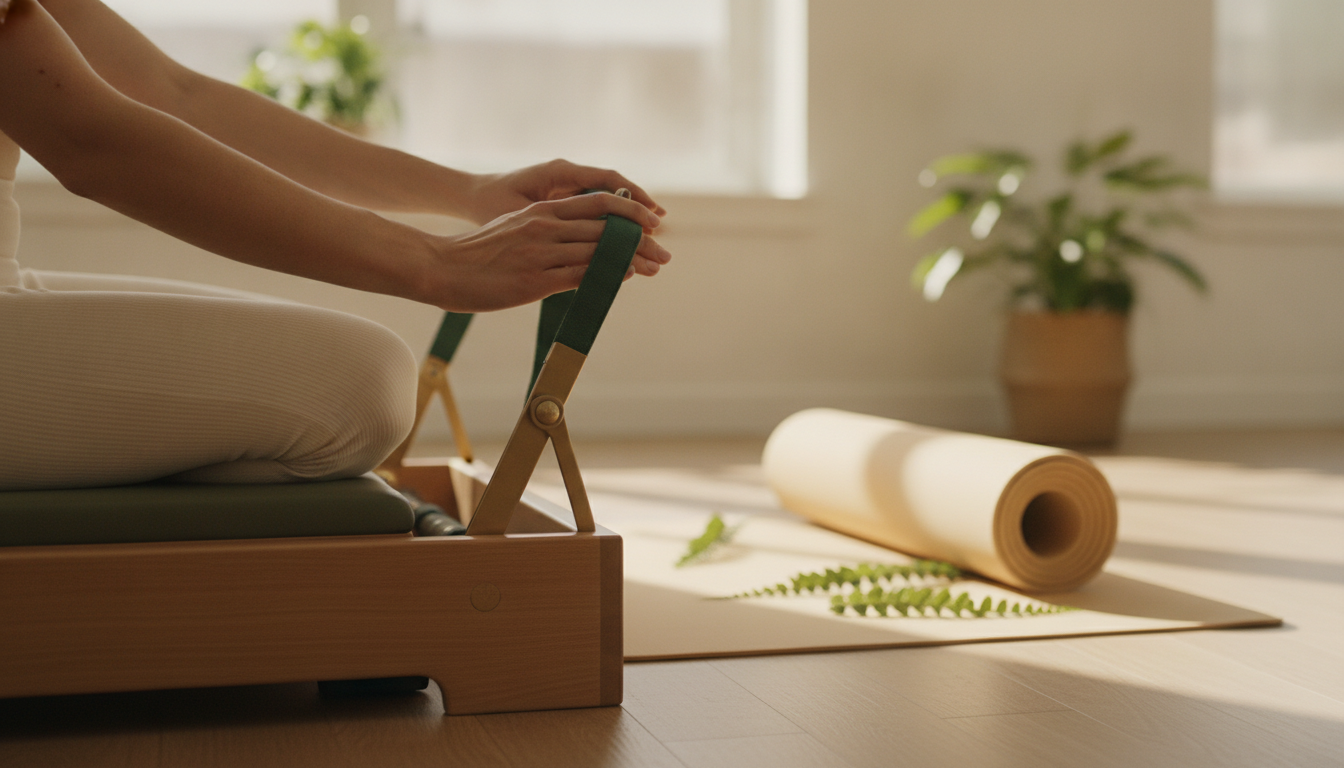
Pilates can be an effective approach for managing and alleviating sciatica pain by addressing its root causes: core weakness, muscle imbalance, and poor spinal alignment. By focusing on strengthening the deep abdominal and back muscles, improving flexibility, and promoting proper posture, Pilates helps decompress the sciatic nerve and reduce discomfort. It offers a path to build strength and mobility without high impact, making it suitable for many experiencing this condition, especially when practiced under expert guidance.
Understanding Sciatica
Sciatica refers to pain that radiates along the path of the sciatic nerve, which branches from your lower back through your hips and buttocks and down each leg. It typically affects only one side of your body. The sciatic nerve is the longest and widest nerve in the human body, extending from the lower back down to the feet. When this nerve becomes pinched, irritated, or inflamed, it results in the characteristic symptoms of sciatica.
Common causes include a herniated disc, bone spur on the spine, or narrowing of the spine (spinal stenosis), which compress part of the nerve. Piriformis syndrome, where the piriformis muscle in the buttock spasms and irritates the nerve, is another common culprit. The pain can range from a mild ache to a sharp, burning sensation or excruciating discomfort, often accompanied by numbness, tingling, or weakness in the affected leg or foot. Unlike general lower back pain, sciatica follows a distinct pathway, often extending below the knee. A proper diagnosis from a medical professional is crucial before beginning any new exercise regimen to ensure the underlying cause is understood.
How Pilates Addresses Sciatica
Pilates principles are particularly well-suited to help manage sciatica by systematically addressing underlying physical imbalances. The method’s emphasis on control, precision, centering, breath, concentration, and flow creates a comprehensive approach to physical rehabilitation and strengthening.
Core Strengthening
Pilates emphasizes strengthening the 'powerhouse' – the deep abdominal and back muscles that support your spine. This includes the transversus abdominis, multifidus, and pelvic floor muscles. A strong, stable core reduces stress on the lower back, providing better support for the lumbar spine and pelvis. When these muscles are weak, the spine bears a disproportionate amount of load, potentially increasing pressure on the sciatic nerve. By building this foundational strength, Pilates helps stabilize the lumbar spine, create space around the nerve pathways, and alleviate nerve compression.
Flexibility and Mobility
Gentle, controlled movements in Pilates increase flexibility in the hips, hamstrings, and lower back. Tightness in these areas, particularly the hamstrings and the piriformis muscle, can often contribute to nerve compression or irritation. Pilates exercises focus on lengthening these muscles without overstretching, which could aggravate an already sensitive nerve. By improving the range of motion in the hips and spine, Pilates helps release chronic tension, improve circulation, and can lead to significant relief from stiffness and discomfort that often accompanies sciatica.
Improved Posture and Alignment
Many sciatica cases are exacerbated by poor posture, which can increase strain on the lower back and nerve pathways. Slouching, excessive lumbar lordosis (swayback), or uneven weight distribution can all contribute to spinal misalignment and nerve impingement. Pilates teaches awareness of spinal alignment and helps correct these imbalances. Through exercises that promote neutral spine positioning and balanced muscle development, individuals learn to hold their bodies in a more natural and supportive posture throughout daily activities. This improved alignment can reduce nerve impingement and prevent future flare-ups.
Body Awareness
Through mindful movement and precise execution, Pilates cultivates a deeper connection between mind and body, known as proprioception. This heightened body awareness allows individuals to identify and avoid movements that might aggravate their sciatica. It teaches you to move with intention, recognizing subtle cues from your body before pain escalates. This ability to self-monitor and adjust movements is invaluable for managing a chronic condition like sciatica and preventing recurrence by learning safer movement patterns.
Mat vs. Reformer Pilates for Sciatica
Both Mat and Reformer Pilates offer distinct advantages for sciatica relief, and the choice often depends on individual needs, the severity of the condition, and comfort levels. Each format contributes to core strength, flexibility, and alignment, but they do so with different mechanics.
Mat Pilates uses body weight for resistance, building foundational strength and control through a series of floor exercises. It focuses on stability and deep core engagement, which are vital for spinal support. Mat work teaches you to control your body against gravity, enhancing body awareness and muscular endurance. For individuals with mild sciatica, or those who have built some foundational strength, Mat Pilates can be highly effective in strengthening the core and improving flexibility through controlled, precise movements.
Reformer Pilates, with its system of springs, pulleys, and a movable carriage, provides adjustable resistance and support. This can be particularly beneficial for those with sciatica, as the Reformer can assist in movements that might be challenging on the mat. The springs allow for progressive resistance, enabling targeted strengthening of weak muscles without overstraining injured areas. The supportive carriage also allows for spinal decompression and precise, controlled movements, making it an excellent option for individuals who need more assistance or are in the acute phase of sciatica recovery. The ability to perform exercises in various positions (lying, sitting, standing) with support can make Reformer Pilates a safer and more accessible starting point for many with nerve pain.
For a deeper dive into which might be right for you, especially as a beginner, explore our guide, "Reformer vs Mat Pilates: Which Should Beginners Start With?"
Specific Principles for Pilates Exercises and Sciatica
While specific exercises should always be prescribed by a qualified instructor based on your individual condition, certain principles guide Pilates practice for sciatica relief:
- Gentle Spinal Articulation: Movements that gently articulate the spine, like pelvic tilts or cat-cow stretches, can help improve spinal mobility and create space between vertebrae without excessive flexion or extension.
- Pelvic Stability: Exercises focusing on stabilizing the pelvis and strengthening the gluteal muscles are crucial, as instability in this region can directly impact the sciatic nerve. This includes movements that strengthen the deep hip rotators.
- Hip External Rotation: Gentle exercises that promote external rotation of the hips can help release tension in the piriformis muscle, which often contributes to sciatica symptoms.
- Hamstring Lengthening (with caution): While tight hamstrings can exacerbate sciatica, aggressive stretching can irritate the nerve. Pilates offers controlled, gentle ways to lengthen hamstrings, often with support, to improve flexibility without overstretching.
- Abdominal Engagement: Constant focus on engaging the deep abdominal muscles throughout all movements is paramount to support the lower back and reduce strain on the sciatic nerve.
Important Considerations for Sciatica Relief
When using Pilates for sciatica relief, it is crucial to approach it thoughtfully and with caution. Always inform your instructor about your condition, the specific diagnosis (if known), and any particular pain points. This information allows them to provide necessary modifications and ensure exercises are safe and beneficial, rather than aggravating.
- Listen to Your Body: This is perhaps the most important rule. Avoid movements that cause sharp, radiating pain, numbness, or tingling. A mild stretch or muscle fatigue is acceptable, but nerve pain is a clear signal to stop or modify the exercise.
- Prioritize Control over Range of Motion: In the initial stages of recovery, focus on performing movements with precision and control, even if the range of motion is limited. Over time, as strength and flexibility improve, the range will naturally increase.
- Consistency and Patience: Relief from sciatica is rarely instantaneous. Consistent practice, typically over several weeks or months, is needed to build the necessary strength, flexibility, and body awareness for sustained improvement. Be patient with your body's healing process.
- Medical Consultation: Pilates is a complementary therapy. It should not replace medical advice or treatment. Always consult with your doctor or a physical therapist to get a proper diagnosis and understand if Pilates is appropriate for your specific condition.
If your sciatica is due to a slip disc, Pilates can still be beneficial, but careful guidance is paramount. We have a dedicated article, "Pilates After Slip Disc: A Guide to Safe Recovery", which offers more detailed insights into safe practices and considerations.
When to Seek Medical Advice
While Pilates offers significant benefits for managing sciatica, it is important to know when to seek professional medical attention. If you experience sudden, severe pain, muscle weakness in the affected leg, bowel or bladder dysfunction, or if your pain worsens despite conservative treatments, consult a doctor immediately. These symptoms could indicate a more serious condition requiring urgent medical intervention.
Getting Started at Veda Pilates
At Veda Pilates in Raj Nagar Extension, Ghaziabad, we offer a supportive environment for individuals seeking relief from conditions like sciatica. Our boutique studio provides small group settings, ensuring personalized attention during 50-minute classes. We understand the nuances of conditions like sciatica and prioritize safe, effective movement practices.
For those with specific needs like sciatica, private or duet sessions are highly recommended. These sessions allow for a highly tailored program focused on your unique requirements, pain points, and comfort levels, ensuring that every movement is modified to support your healing journey. Our studio serves clients across Raj Nagar Extension, Raj Nagar, Kavi Nagar, RDC, and Nehru Nagar. Our starting package is ₹999, offering an accessible way to begin your Pilates journey with expert guidance.
To explore how Pilates can help you manage sciatica and improve your overall well-being, consider booking a trial class or learning more about our offerings. Visit our contact page to get started and discuss your specific needs with our team.